Book Appointment Now
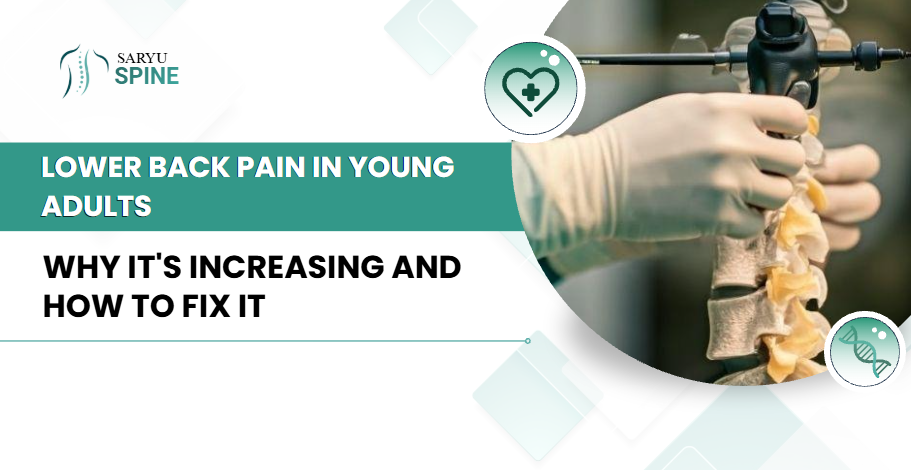
Lower Back Pain in Young Adults: Why It’s Increasing and How to Fix It
Back pain used to be something people worried about after 50. That’s not the case anymore. At our clinic in Hisar, we’re seeing more and more patients in their early 20s and 30s walk in complaining of stiffness, dull aches, or sharp pain in the lower back some of them still in college, others just a few years into their first job.
Last month, a 24-year-old IT professional came in after months of ignoring what he thought was “just tiredness from work.” Turned out, hours of sitting hunched over a laptop had gradually strained his lower spine. His case isn’t unusual it’s becoming the norm.
So what’s actually driving this rise in lower back pain in young adults, and what can be done about it? Let’s get into it.
Why Is Lower Back Pain in Young Adults on the Rise?
There isn’t just one culprit here — it’s usually a mix of daily habits stacking up over months or years until the spine finally starts protesting.
1. Long Hours of Sitting (Desk Jobs & Online Classes)
Whether it’s a 9-to-6 desk job, back-to-back online classes, or endless scrolling on the couch, sitting for 8-10 hours a day without breaks keeps constant pressure on the lower spine and slowly weakens the muscles meant to support it. This is one of the single biggest drivers of lower back pain in young adults today.
2. Poor Posture
Slouching in a chair, working with a laptop placed too low, or lying down for hours while on the phone — all of it gradually pulls the spine out of its natural curve. Ask around at any office, and posture is almost always part of the story.
3. Lack of Physical Activity
A sedentary routine weakens the core and back muscles that are supposed to take the load off the spine. Once those muscles go soft, even ordinary movements like bending to pick something up can trigger a strain.
4. Excessive Screen Time and Mobile Usage
“Tech neck” doesn’t stay limited to the neck. Constantly looking down changes your entire posture, and that stress travels down to the lower back as well.
5. Extra Body Weight and Poor Diet
Carrying extra weight, particularly around the belly, shifts the body’s center of gravity forward and loads up the lower spine. It’s one of the quieter but very real contributors we see in younger patients.
6. Stress and Poor Sleep
Chronic stress keeps muscles — including the ones in the back — tense for long stretches. Pair that with an old, sagging mattress, and you’ve got a recipe for spine issues in youth that just won’t go away.
7. Brushing Off Early Symptoms
This one’s common: a bit of stiffness gets written off as “just tiredness” instead of being addressed. Left uncorrected, that minor discomfort tends to snowball into something more chronic and harder to treat.
Common Symptoms to Watch For
- Dull, persistent ache in the lower back
- Stiffness after sitting for long periods
- Pain that worsens with bending or twisting
- Occasional pain radiating to the hips or legs
- Muscle tightness that doesn’t go away with rest
If these symptoms persist for more than 2-3 weeks, it’s a sign your spine needs proper evaluation rather than home remedies alone.
How to Fix Lower Back Pain in Young Adults
Here’s the encouraging part — most of this is fixable, and usually without surgery, if you catch it early and stay consistent.
1. Improve Your Sitting Posture
Keep your back straight, shoulders relaxed, and feet flat on the floor. Your screen should sit at eye level so you’re not constantly tilting forward.
2. Take Movement Breaks
Get up, stretch, or walk around every 30-45 minutes — even during a busy workday. It sounds small, but this one habit alone makes a real difference for lower back pain in young adults.
3. Strengthen Your Core
Planks, bridges, and gentle yoga build up the core and back muscles that quietly protect your spine through everyday movements.
4. Use the Right Furniture
An ergonomic chair with proper lumbar support, paired with a desk at the right height, can change a lot for someone dealing with ongoing back strain.
5. Maintain a Healthy Weight
A balanced diet combined with regular movement takes unnecessary load off the spine and pays off over the long run.
6. Fix Your Sleep Setup
A medium-firm mattress works best for most people. Sleeping on your stomach tends to strain the lower back, so it’s worth switching positions if that’s your habit.
7. Don’t Ignore Persistent Pain
If the pain sticks around despite these changes, it’s time to get it looked at properly instead of reaching for painkillers again and again.
When to See a Spine Specialist
Occasional back pain from a long day is normal. But you should consult a specialist if you experience:
- Pain lasting more than 3-4 weeks
- Pain radiating down the leg
- Numbness, tingling, or weakness
- Pain that disturbs your sleep
- Difficulty standing straight or walking
At Saryu Spine Care in Hisar, every patient gets a thorough evaluation before any treatment is suggested — surgery only comes into the picture when it’s genuinely needed. Most young patients we see respond well to non-surgical care, especially when the problem is caught early.
Final Thoughts
Lower back pain in young adults is, more often than not, a direct result of how we live now — long sitting hours, poor posture, and not enough movement. The reassuring part is that small, consistent changes to daily habits can prevent it and even reverse it in the early stages. But if the pain keeps coming back or gets worse, don’t wait it out — get it checked by a spine specialist.
Frequently Asked Questions (FAQs)
1. Why are young adults getting lower back pain more often these days?
Increased screen time, desk jobs, poor posture, and reduced physical activity are the main reasons behind the rise in lower back pain among young adults.
2. Can lower back pain in young adults be cured without surgery?
Yes, in most cases, lower back pain in young adults improves with posture correction, exercise, and physiotherapy. Surgery is only considered in severe or long-term cases.
3. Is sitting for long hours really that harmful for the back?
Yes, prolonged sitting weakens back muscles and increases pressure on the lower spine, making it one of the leading causes of back pain in young people.
4. What exercises help reduce lower back pain in young adults?
Core-strengthening exercises like planks, bridges, gentle stretching, and yoga are highly effective in reducing and preventing lower back pain.
5. When should a young adult with back pain see a doctor?
If the pain lasts more than 2-3 weeks, radiates to the legs, or comes with numbness or weakness, it’s important to consult a spine specialist promptly.