
Book Appointment Now
Spine Surgeon in India – Dr. Sameer Nagpal
Dr. Sameer Nagpal, Spine Surgeon
Advanced Spine Care for a Pain-Free and Active Life
Dr. Sameer Nagpal is a fellowship-trained spine surgeon in India (ASSI Spine Fellowship, FISS Fellowship Tokyo) based in Hisar, Haryana. He provides comprehensive care for slip disc, sciatica, spinal stenosis, scoliosis and cervical spine disorders such as cervical spondylosis.
Every treatment plan begins with a careful evaluation of your symptoms, a physical examination and a review of your MRI and X-ray reports. Wherever appropriate, non-surgical treatment is considered first. When surgery is medically indicated, Dr. Nagpal offers endoscopic spine surgery, minimally invasive spine surgery (MISS) and spinal fusion surgery, chosen according to each patient’s individual condition. To discuss your back or neck pain, book a spine consultation today.


Trusted by 150K+ people
around the globe
around the globe

5+
Years Experience
5,000+
Happy Patients
2500+
Successful Spine Surgeries
1500+
Endoscopic Spine Procedures
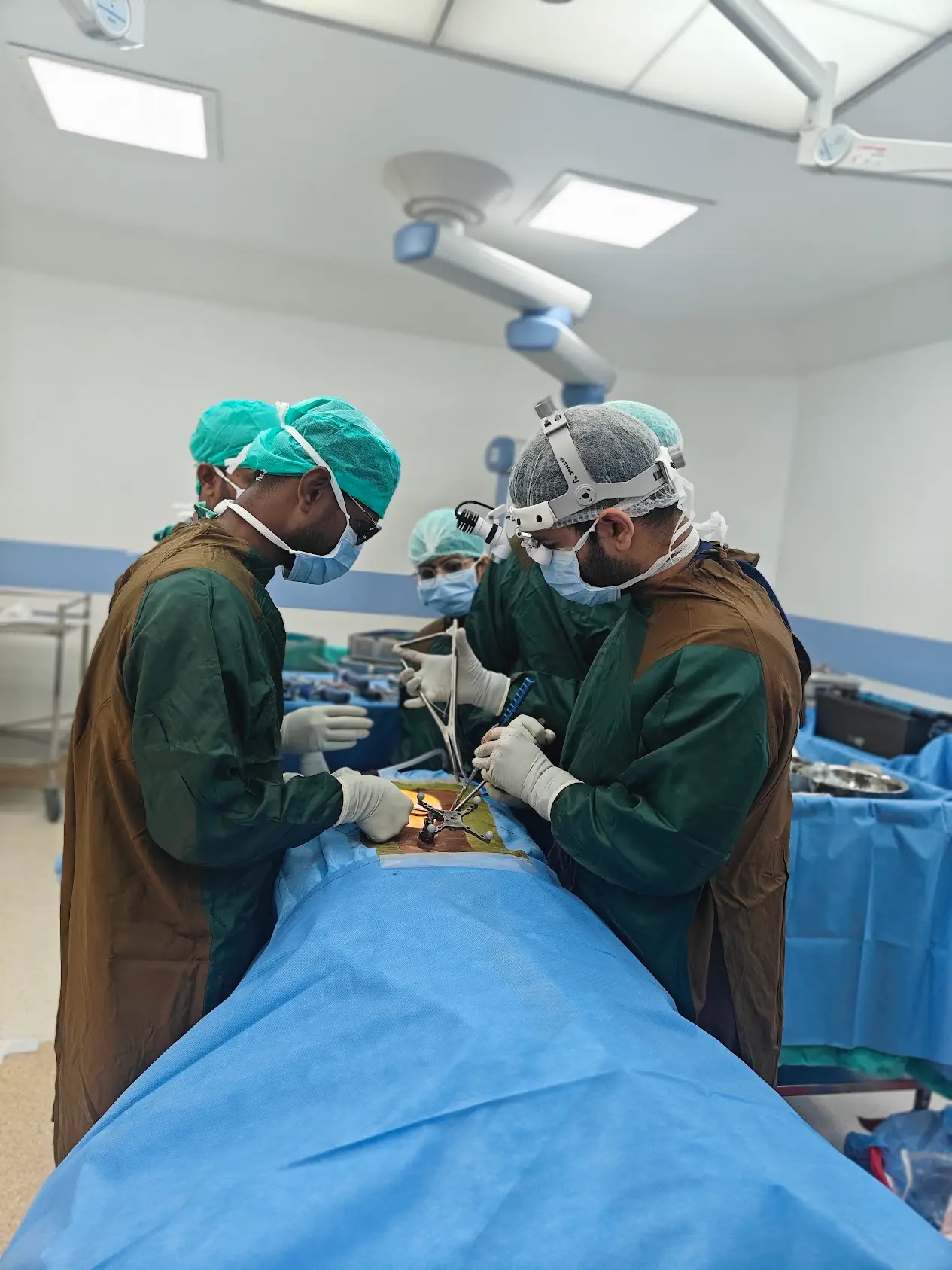
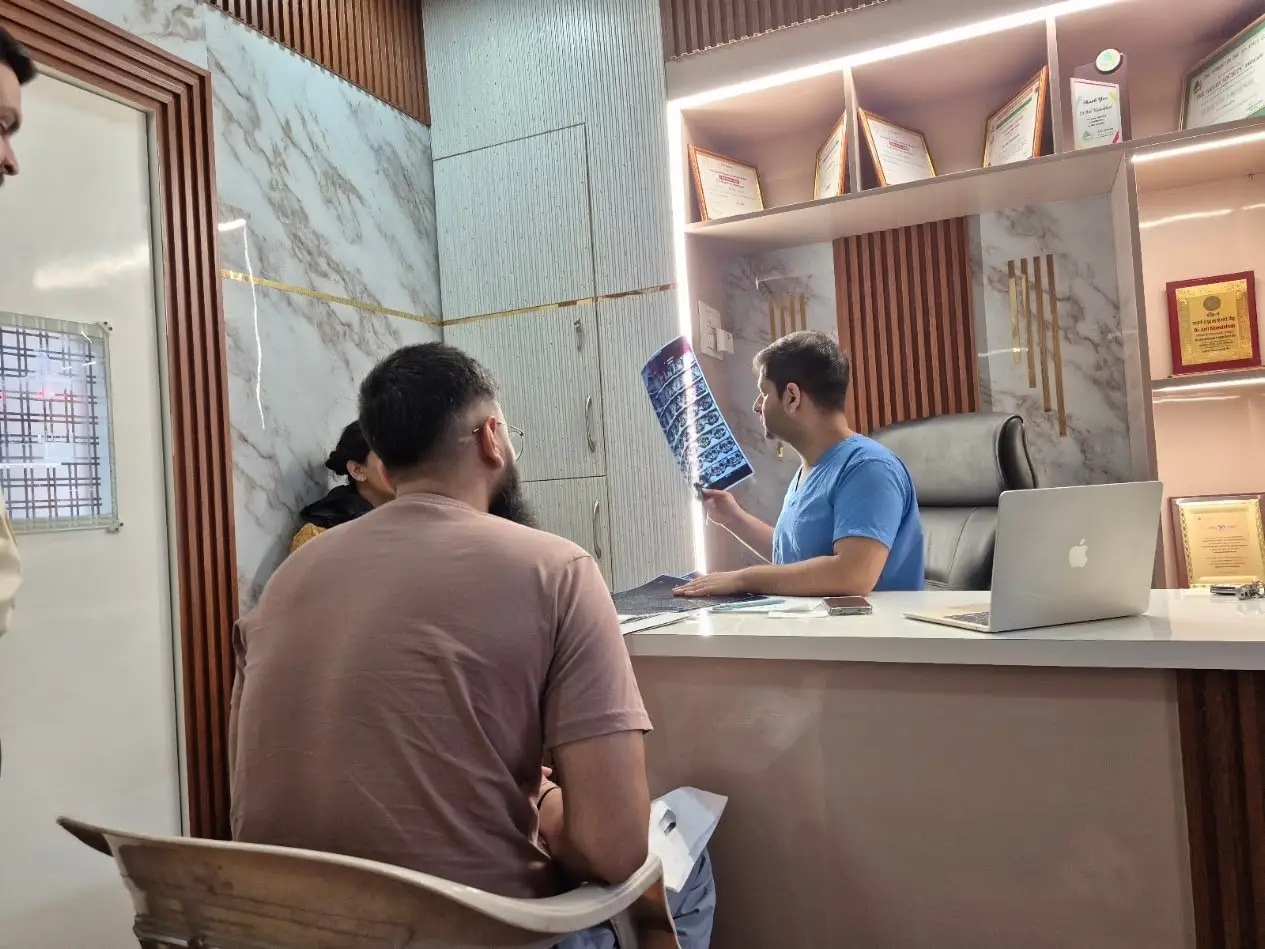
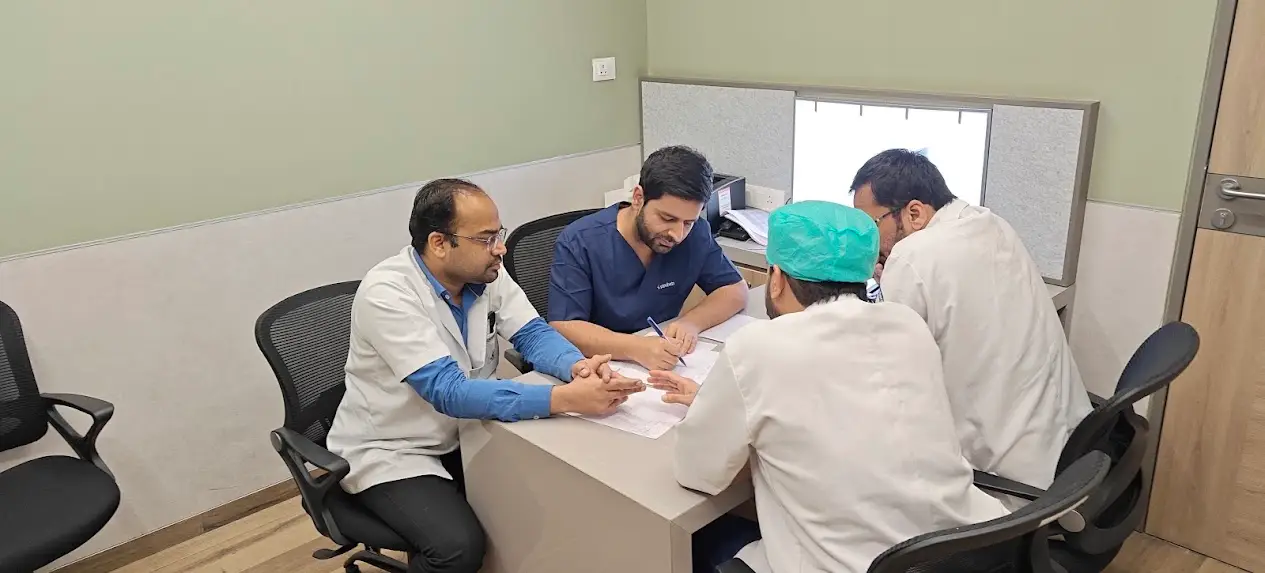
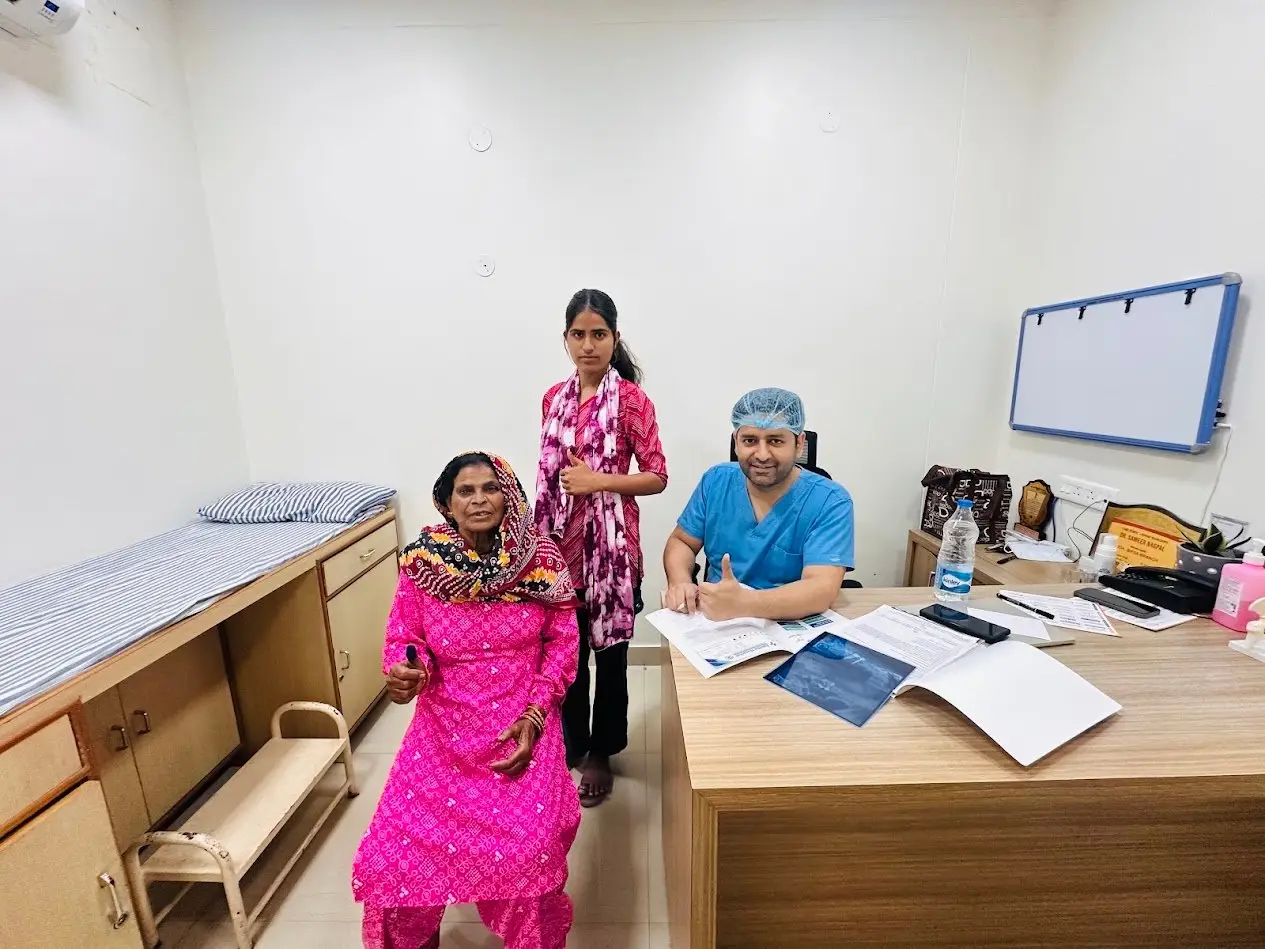
Dr. Sameer Nagpal
Dr. Sameer Nagpal is a fellowship-trained spine surgeon in India practising at Hisar, Haryana. The details below are facts that you can check with the medical council and hospital.
Qualification :
MBBS
MS in Orthopedics (Gold Medalist)
2-Year ASSI (Association of Spine Surgeons of India) Spine Fellowship , Pune
FISS (Fellowship in Endoscopic Spine Surgery) Fellowship at Iwai Hospital, Tokyo, Japan
Dr. Sameer Nagpal’s practice covers the complete range of spine care: diagnosis, non-surgical treatment, and endoscopic, minimally invasive and spinal fusion surgery. Every recommendation starts with your symptoms, a physical examination and your MRI. Every plan includes a plain explanation of the alternatives, the risks and the expected recovery, so you can decide with full information and without pressure.
1500+
Endoscopic Surgeries Done
5000+
Patients Treated So Far
5+
Years in Spine Surgery
Spine Conditions Treated
Slip disc
Herniated disc, lower back and neck
A slip disc (herniated disc) happens when the soft cushion between two vertebrae bulges or tears and presses on a nearby nerve. It causes back or neck pain, often with tingling, numbness or weakness in a leg or arm. Most cases improve with rest, medication and physiotherapy within weeks. Surgery is considered if nerve symptoms continue or weakness develops.
Spinal stenosis
Narrowing of the spinal canal
Spinal stenosis is a narrowing of the canal carrying the spinal nerves, most often from age-related wear. Typical symptoms are leg pain, heaviness or numbness while walking or standing, which eases on sitting or bending forward. Exercise, medication and injections help many people. Decompression surgery is offered when the walking distance keeps falling.
Scoliosis
Sideways curve of the spine
Scoliosis is a sideways curve of the spine. It is seen in growing children and in adults, where wear of the discs and joints can cause back pain and nerve symptoms. Small curves are monitored, and a brace may be used in children. Surgery is reserved for large or progressing curves, or when nerves are compressed.
Cervical spine problems
Neck disc, spondylosis, myelopathy
Problems in the cervical spine can cause neck pain, pain or numbness in the arm and hand, and headaches. When the spinal cord itself is squeezed, called myelopathy, people notice clumsy hands, difficulty with buttons or an unsteady walk. Mild cases are treated without surgery. Signs of cord compression need prompt specialist review.
Sciatica
Pain travelling down the leg
Sciatica is pain that runs from the lower back through the buttock and down the leg. It is usually caused by a slip disc or narrowed canal irritating a nerve root. Many cases settle within six to twelve weeks with non-surgical treatment. Pain that persists, or weakness of the foot, calls for an MRI and a specialist opinion.
Emergency Care
Go to the nearest emergency department immediately if you have sudden loss of bladder or bowel control, numbness around the groin or inner thighs, rapidly worsening leg weakness, or severe pain and weakness after a fall or injury. Do not wait for an appointment. Learn more about back pain red flag symptoms.
Cervical endoscopy surgery in Haryana
Dr. Sameer Nagpal
Exclusive Spine Surgeon
Endoscopic Spine Surgery

Dr. Sameer Nagpal
Exclusive Spine Surgeon
Minimally Invasive Spine Surgery
Dr. Sameer Nagpal
Exclusive Spine Surgeon
Spine Surgery Options
Treatment moves in steps. Each step is tried only when the one before it is not enough, or when a scan or examination shows that waiting is unsafe. The choice is made from your symptoms, examination and MRI.
Treatment without surgery
Most back pain, neck pain and sciatica improve without an operation. Treatment includes medicines, physiotherapy, changes in posture and activity, weight management, bracing where needed, and image-guided injections around the affected nerve.
Surgery is discussed if pain stays severe after a fair trial of this treatment, usually several weeks to a few months, or earlier if weakness is progressing or a nerve or the spinal cord is under serious pressure.
Endoscopic spine surgery
The surgeon works through a tube about the width of a pencil, using a small camera to see the problem. The incision is roughly one centimetre. It is used for selected disc herniations and some types of stenosis, and many patients go home within a day. It is not suitable for every problem, and your MRI decides whether it is an option for you.
Minimally invasive spine surgery
Minimally invasive surgery uses small incisions, tubular retractors and a microscope to reach the spine by separating muscle rather than cutting it. Microdiscectomy, decompression of a narrowed canal and some fusions can be done this way. Compared with open surgery, it usually means less muscle damage, less blood loss and a shorter stay.
Spinal fusion surgery
Fusion joins two or more vertebrae permanently using screws, rods, cages and bone graft. It is used when the spine is unstable, when a vertebra has slipped forward (spondylolisthesis), in some deformities, or when removing the pressure alone would leave the spine unstable. It is a larger operation and is recommended only when a simpler option cannot solve the problem.
Recovery After Spine Surgery
Recovery depends on the operation, your age, your general health and the kind of work you do. This is the usual pattern. Dr. Sameer Nagpal will give you a plan that fits your case.
1
First 24 to 48 Hours
You are helped out of bed and start walking on the day of surgery or the next morning. Pain is controlled with medicines. After endoscopic surgery, many patients go home within a day.
2
First Two Weeks
Walk short distances several times a day and look after the wound. Avoid lifting, bending and twisting, and sit for short periods only. The wound is checked at about ten to fourteen days.
3
Weeks Two to Six
Gentle physiotherapy begins. After a discectomy, many people return to desk work in this period. Driving restarts when you can turn and brake without pain and are no longer taking sedating painkillers.
4
Weeks Six to Twelve
Back and core strengthening builds up. After fusion, this is when many people return to work, still with limits on lifting.
5
Three to Twelve Months
Sport and heavy work return gradually. A fusion takes several months to become solid, and follow-up X-rays show how it is healing.
Call Us Today
+91 96717 71319
+91 99961 95622
+91 99961 95622
Send a message
saryuspinecare@gmail.com
Our Clinics
Rajan Market, Under Over Bridge Dabra Chowk, Peer Baba Rd, near Harmony Hotel, Hisar, Haryana 125001
Book Your Spine Consultation
Take the first step toward better spine health. Share your details with us, and our team will help you schedule a consultation with Dr. Sameer Nagpal.
Contact the Clinic the Same Day If You Have
Contact the clinic promptly if you notice any of the following symptoms after surgery.
!
Fever, or redness, swelling or discharge from the wound.
!
New or worsening weakness or numbness in a leg or arm.
!
Difficulty passing urine or stool.
Seek Emergency Care
A painful, swollen calf or sudden breathlessness. Go to the nearest emergency department for these.
How to Choose a Spine Surgeon
Whichever surgeon you consult, these checks help you decide. Tick them off as you go.
Registration you can verify
The surgeon is registered with the state medical council or the National Medical Commission.
Formal spine training
A fellowship or structured training in spine surgery, with the institution named.
Experience with your procedure
Ask how many operations of your type the surgeon has performed.
Treatment without surgery is discussed first
Surgery is advised only when there is a clear reason for it.
Your MRI is shown and explained
The advice matches your scan and your examination, and you can see the problem yourself.
Risks and alternatives are explained
You hear about complications and other options in plain language.
The hospital is equipped for spine surgery
Modern imaging, intensive care, nerve monitoring where needed, and a physiotherapy team.
A written estimate and an open door for second opinions
The cost is explained before admission, and you are comfortable taking time to decide.
Why Choose India for Spine Surgery?
Choosing India is less about the destination and more about getting a clear, comprehensive plan.
Here, a patient can get an examination, MRI review, non-surgical options and, if needed, endoscopic or minimally invasive surgery under one surgeon’s guidance. Bring your MRI and previous reports, and you will leave with a plain explanation of whether you need surgery, what the alternatives are, and how long recovery may take.
Dr. Sameer Nagpal consults in Hisar, with OPDs in Tohana, Sirsa, Fatehabad, Bhiwani and Hansi, so expert advice is available closer to home.
Key Qualities of a Spine Surgeon
Questions to Ask Before You Decide
Instead of judging by claims, ask your surgeon these critical questions:
Do I really need surgery, or can I try non-surgical treatment first?
What does my MRI show, and how does it match my symptoms?
What are the alternatives, and what are the risks of each?
Which technique do you suggest for me, and why?
What is the expected recovery, and when can I return to work?
Common Conditions Treated
Match Your Symptoms
Symptom
Back pain going down the leg, tingling or numbness
Likely Condition
Slip disc or Sciatica
Symptom
Leg heaviness while walking that eases on sitting
Likely Condition
Spinal Stenosis
Symptom
Neck pain with arm pain or tingling
Likely Condition
Cervical Spondylosis or Cervical Disc Problem
Symptom
Back pain with a feeling of slipping or instability
Likely Condition
Spondylolisthesis
Symptom
Visible curve or posture change
Likely Condition
Scoliosis or Kyphoscoliosis
Symptom
Pain after a fall or injury
Likely Condition
Spinal Fracture
Most of these improve with rest, medication, injections or physiotherapy. See a spine specialist early if you notice weakness, constant numbness, or loss of bladder or bowel control.
Advanced Spine Surgery Techniques
Which One for Which Problem?
Endoscopic Spine Surgery
For selected disc and nerve compression problems, performed through a tiny keyhole incision.
Minimally Invasive Spine Surgery (MISS)
Used when surgery is needed but a smaller cut and less muscle damage are possible.
Decompression Surgery
Primarily for spinal stenosis, recommended when walking distance keeps falling due to pressure.
Spine Fusion Surgery
Utilized when a spinal segment is unstable or damaged and requires permanent stabilization.
Frequently Asked Questions
Not always. Many slip disc cases improve with medicines, physiotherapy, rest and other non-surgical treatments. Surgery may be recommended when symptoms are severe, persistent, or when there is significant nerve compression or weakness.
Endoscopic spine surgery is a minimally invasive technique that uses a small incision and an endoscope to access and treat certain spinal conditions. Suitability depends on the specific condition, symptoms, imaging findings and overall health.
Hospital stay depends on the type of spine procedure, your overall health and your recovery. Some minimally invasive procedures may allow patients to go home the same day or within a short period, while other surgeries may require a longer stay.
The time required to return to work varies depending on the procedure, your recovery and the type of work you do. Patients with desk jobs may return earlier, while physically demanding work may require more recovery time.
Like any surgery, spine surgery can have risks such as infection, bleeding, nerve irritation or injury, blood clots and complications related to anaesthesia. The risks vary depending on the procedure and individual patient.
The cost of spine surgery in India varies depending on the type of surgery, hospital, surgeon, medical condition, diagnostic tests and length of hospital stay. A consultation and evaluation are required to determine the appropriate treatment and expected cost.
Bring your previous medical records, MRI or CT scans, X-rays, relevant test reports, current medication details and a list of your symptoms. This can help the doctor understand your condition more effectively.
Some spine conditions can recur after surgery, depending on the underlying condition and other factors. Following your doctor’s recovery instructions, maintaining healthy habits and attending recommended follow-up appointments can support long-term spine health.